
Introduction
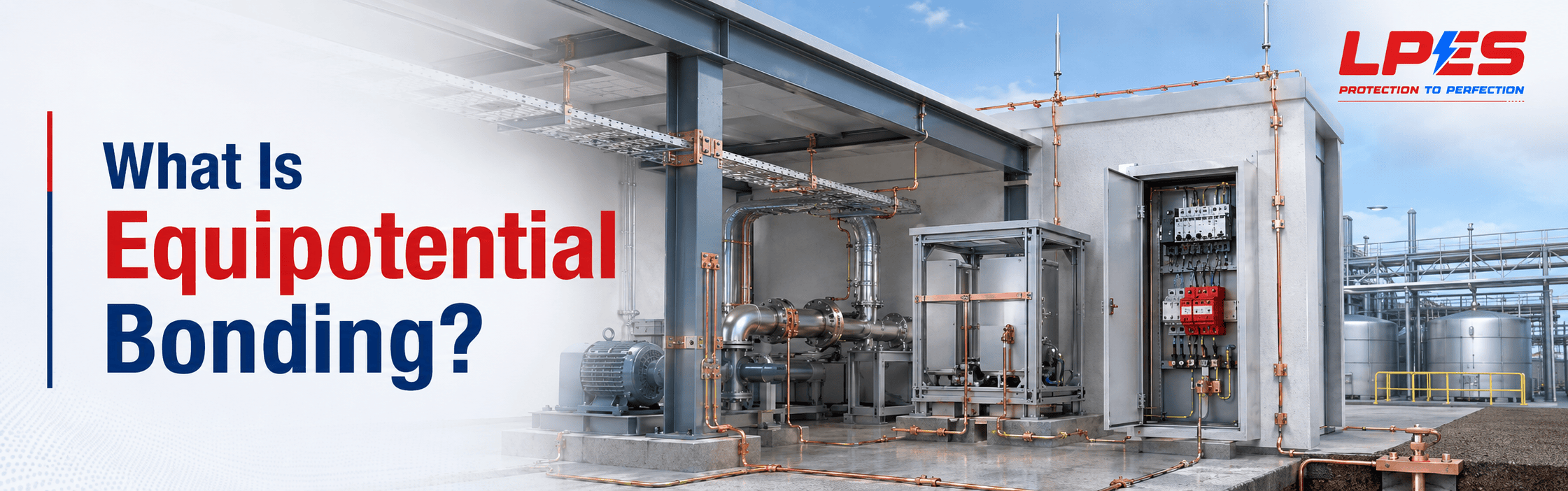
A bond in electrical systems provides security and adherence to electrical safety regulations at electrical worksites. An electrical bond refers to the connection of different metallic and conductive elements at a common potential, thus reducing the risk of electrical voltage differentials at the time of lightning, electrical faults, and surge events.
In many of these facilities, such as factories, warehouses, data centres, hospitals, or commercial buildings, there are a large number of electrical systems, including panels, PLCs, VFDs, battery-backed UPS units, control cables, communication networks, machinery, and sensitive electronics that are subject to potential damage as a result of lightning surge and electrical disturbances. If proper bonding is not being utilized, there is a possibility for significant risk to these systems through equipment damage, downtime, safety issues, electrical surges, and disruptions to the efficiency of delivery of goods or services.
About LPES International
LPES International is an engineering focused company providing lightning protection systems, surge protection solutions, earthing systems, grounding systems, lightning risk assessment, and AutoCAD based protection design. The company supports industrial, commercial, and infrastructure facilities with practical protection planning for electrical safety and operational continuity.
Why Choose LPES International
- Engineering expertiseLPES International understands how lightning, surges, earthing, grounding, and equipotential bonding work together in real site conditions.
- Customized design approachSolutions are planned according to the facility layout, electrical system, structure height, equipment sensitivity, and risk exposure.
- Compliance focused planningLPES follows a structured approach aligned with relevant lightning protection and electrical safety practices.
- Quality materials and componentsThe focus is on reliable protection components suitable for long term performance in industrial environments.
- Technical consultationLPES supports clients with risk assessment, design guidance, protection selection, and practical implementation support.
Key Lightning Protection Solutions
External lightning protection systems for protecting structures from direct lightning impact.
Surge protection devices for safeguarding electrical panels, automation systems, UPS, and communication lines.
Earthing systems for safe dissipation of fault current and lightning current into the ground.
Equipotential bonding for reducing voltage differences between metallic services, panels, structures, and grounding systems.
Lightning risk assessment and AutoCAD based design for engineered protection planning before installation.
Benefits of Professional Lightning Protection Systems
Having a professionally installed lightning protection system greatly enhances the safety of people and property while minimizing damage caused by lightning strikes to electrical and/or electronic equipment. The use of proper equipotential bonding will provide added protection to sensitive systems by creating a safer environment for the electrical systems during surge and fault conditions.
Proper equipotential bonding will help prevent equipment failure, reduce downtime, improve protection for control systems, provide enhanced electrical safety and add to overall long term operational reliability. By providing operational continuity and greater maintenance efficiency for facilities with continuously operating processes, these benefits will support each other.
Conclusion
Not only a technical matter but equipotential bonding forms an integral aspect of a comprehensive lightning protection, surge protection, earthing, and grounding solutions. Businesses who are planning to develop a new facility or upgrade their current electrical safety systems should consider conducting a Professional Risk Assessment and use engineered designed protection systems.
Connect with LPES International for lightning risk protection, surge protection solutions, earthing systems, grounding systems, equipotential bonding, and reliable electrical safety planning.