
Securing Process Plants, Storage Facilities, Critical Assets, Digital Systems & Human Life
In the petrochemical industry, lightning is not merely a natural phenomenon it is a high energy ignition source capable of triggering fires, explosions, environmental damage, extended shutdowns, and irreversible reputational loss. With vast process plants, hazardous storage zones, high energy electrical systems, and digitally controlled operations functioning continuously, comprehensive lightning and surge protection becomes a fundamental pillar of industrial safety and business continuity.
LPES Lightning and Surge Protection Solutions provide a fully engineered, standards compliant framework designed to protect petrochemical buildings, warehouses, production and process units, electrical infrastructure, pipelines, digital systems, manpower databases, and human life ensuring operational resilience, statutory compliance, and long term asset integrity.
A Holistic Lightning Protection Philosophy for Petrochemical Facilities
Effective lightning protection in petrochemical environments demands more than isolated lightning arresters. It requires a layered, coordinated and risk engineered approach that safely intercepts,conducts, controls, and dissipates lightning energy while eliminating internal surge propagation and static hazards.
Lightning Protection in Petrochemical Industries Is Designed in 3 Layers
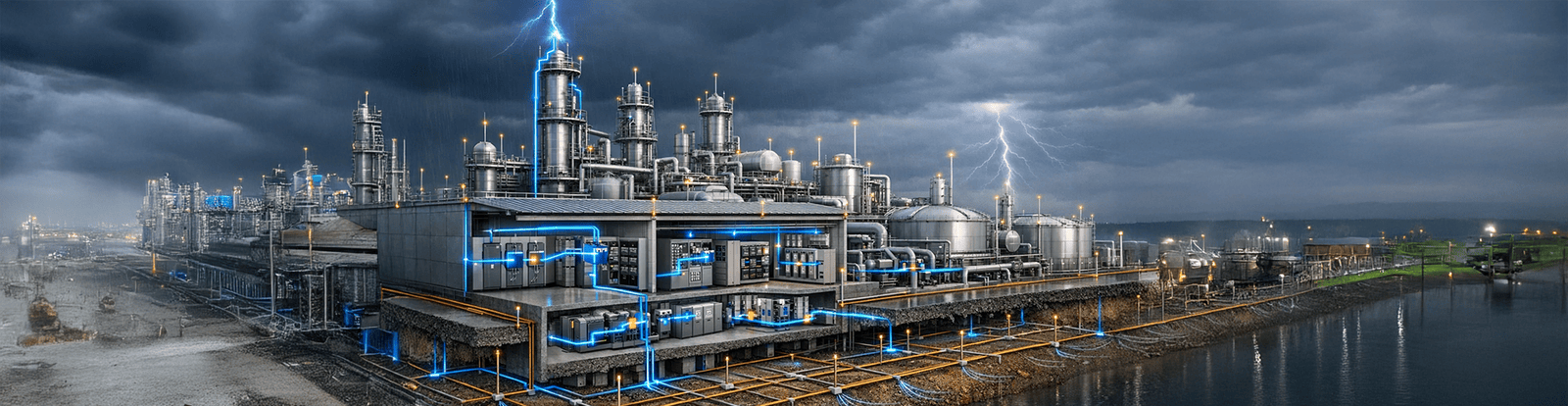
LPES solutions are engineered to mitigate:
- Direct lightning strikes
- Induced and conducted electrical surges
- Ground potential rise
- Static electricity accumulation
Across both hazardous and non hazardous plant zones.
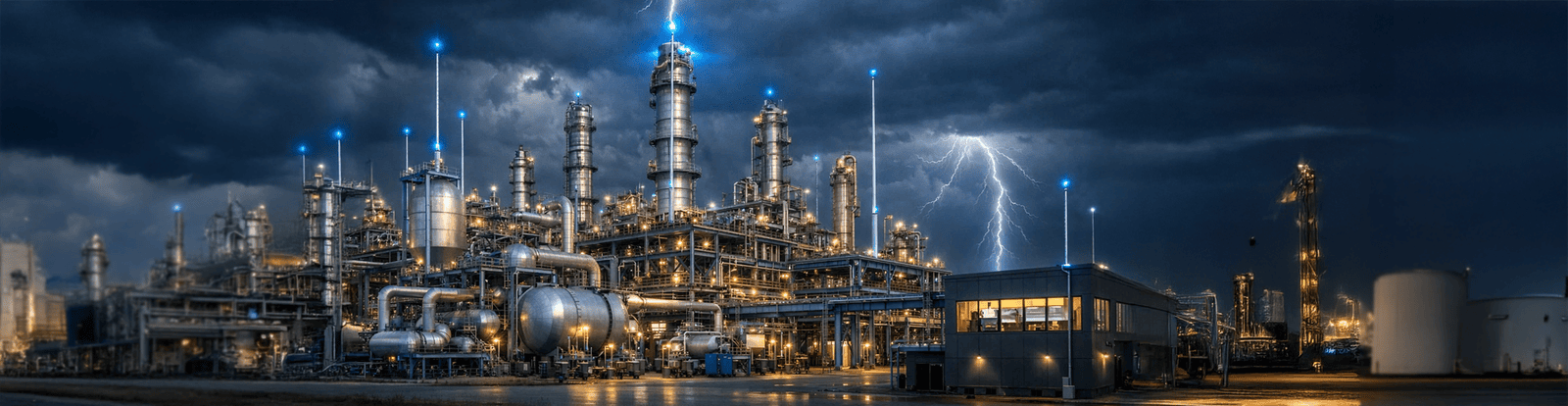
Protection of Process Plants & Production Units
Petrochemical production units operate under extreme temperature, pressure, and flammable conditions. Even a single uncontrolled lightning event can escalate into a catastrophic incident.
- Reactors, distillation columns, cracking units
- Compressors, pumps, and heat exchangers
- Process sheds and operating structures
- Control rooms within plant boundaries
- Utility units, including boilers and compressed air systems
- Direct lightning on exposed equipment
- Surges via power/control systems
- Ground potential rise → step & touch voltages
- Poor bonding → sparks in flammable zones
- Equipment failure → process instability & shutdowns
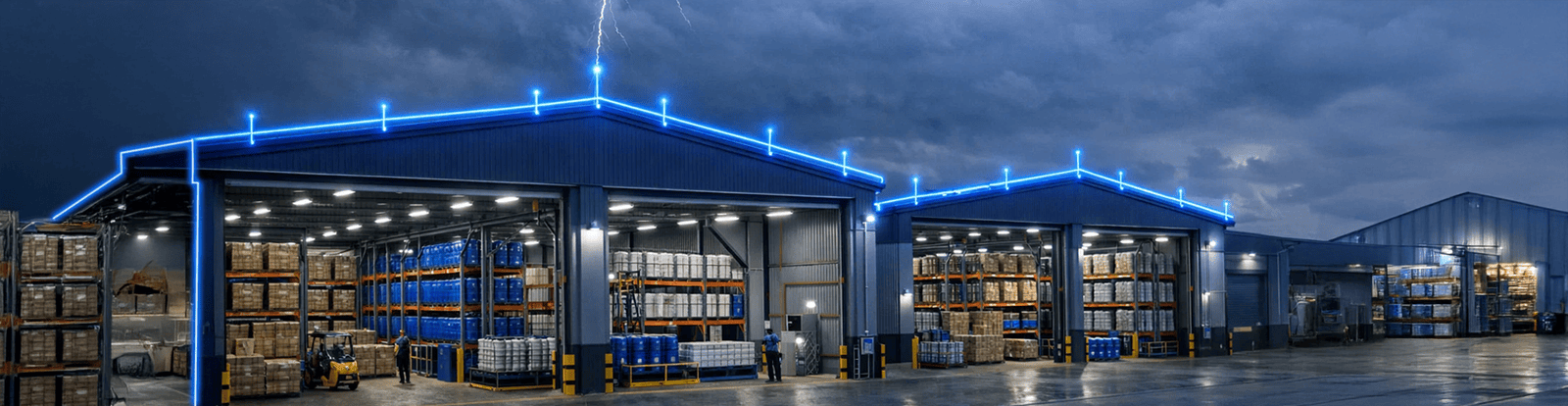
Warehouses & Material Storage Facilities Facilities
Petrochemical warehouses house high value chemicals, packaging materials, spares, and intermediates,often stored in large volumes and confined spaces.
- Raw material warehouses
- Finished product storage buildings
- Chemical and solvent storage warehouses
- Lightning induced fires
- Electrical surge damage
- Large-scale material and inventory loss
- Roof mounted lightning arresters
- Integrated earthing and bonding systems
- Surge protection for lighting, power, and ventilation systems
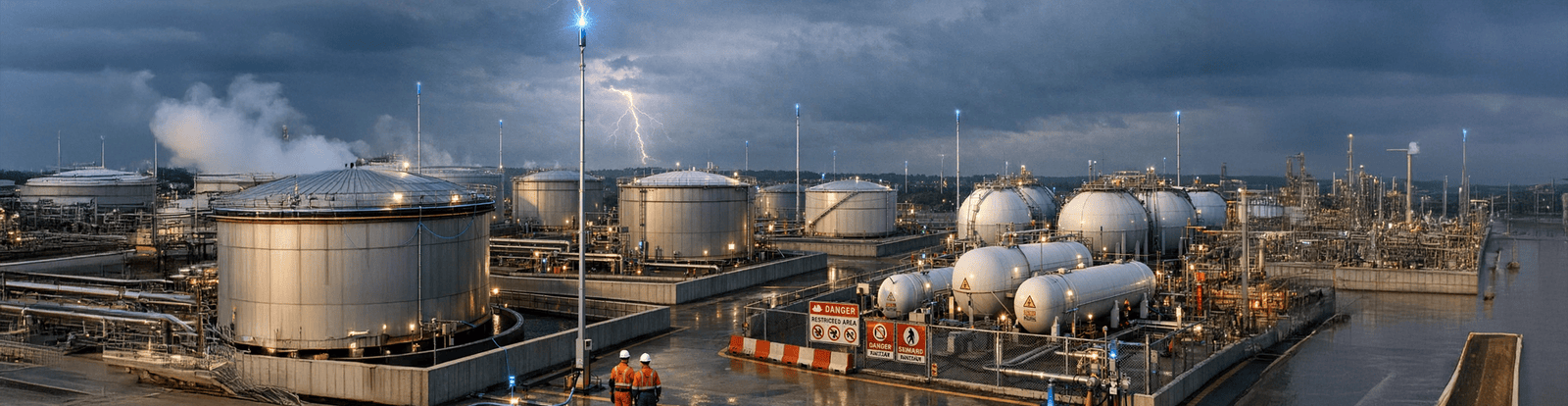
Storage Tanks & Hazardous Zones
Storage tanks and tank farms represent the highest ignition and explosion risk in petrochemical facilities.
- Crude oil and chemical storage tanks
- LPG, LNG, and solvent tanks
- Floating roof and fixed roof tanks
- Type 1 SPDs at service entrances
- Type 2 SPDs at downstream distribution boards
- Low impedance earthing systems
- Surge event counters and monitoring devices
- High ignition and explosion probability
- Flammable vapor and gas presence
- Static charge accumulation risks
- Direct lightning strike exposure
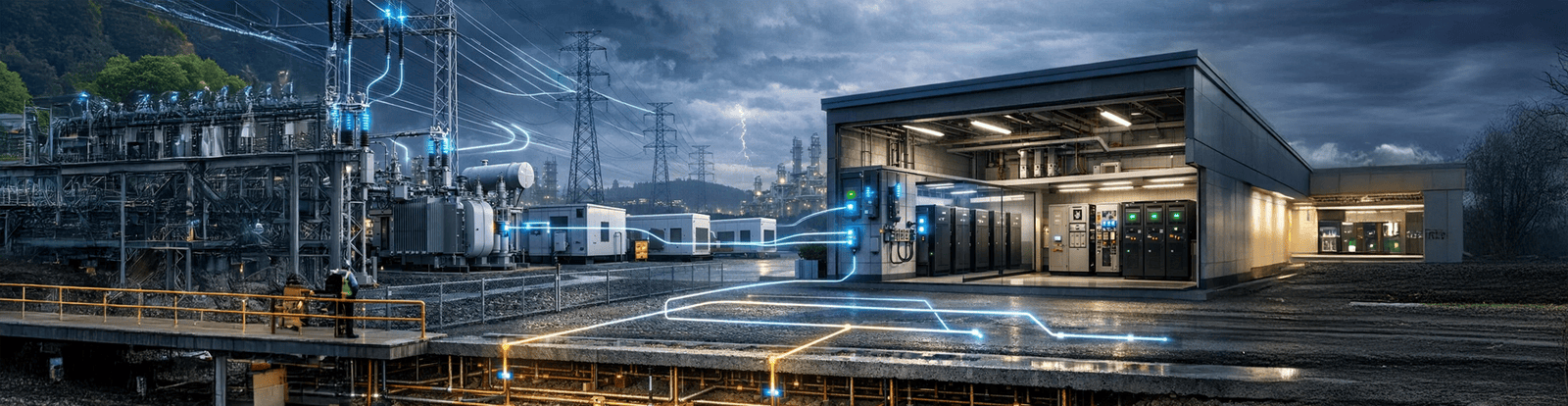
Electrical Infrastructure & Power Systems
Electrical networks act as conduits for lightning induced transients that can propagate plant wide.
- HV/LV substations
- Switchyards and transformers
- DG sets and emergency power systems
- UPS rooms and critical power infrastructure
- Type 1 SPDs at service entrances
- Type 2 SPDs at distribution boards
- Low resistance earthing grids
- Surge event counters and monitoring devices
- Primary entry of lightning induced surges
- High fault and transient current level
- Sensitive and mission critical equipment
- Plant wide surge propagation paths
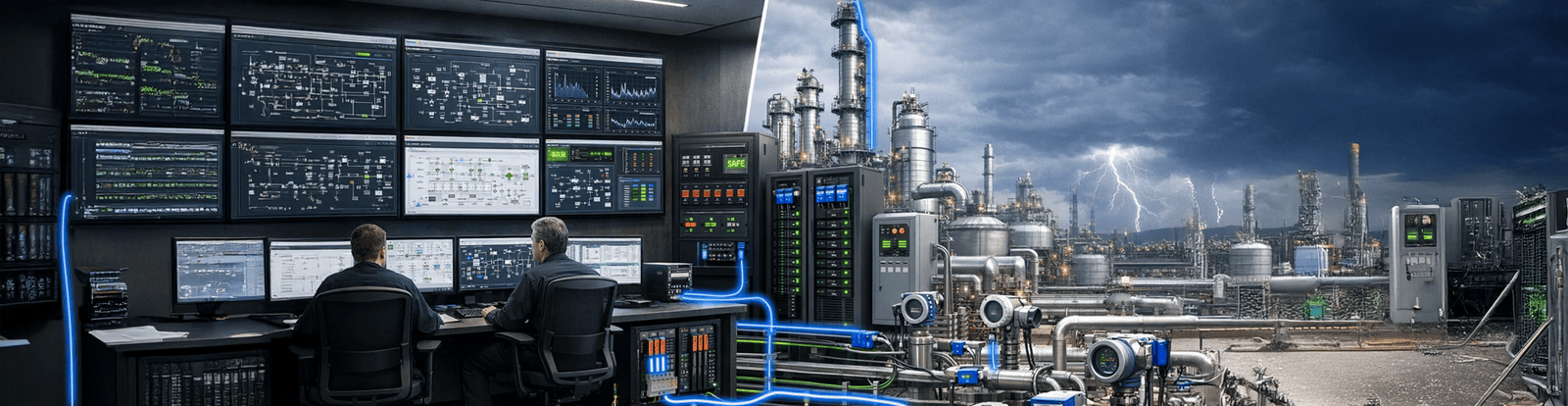
Instrumentation, Automation & Digital Control Systems
Modern petrochemical plants rely on digital control systems for both operational efficiency and functional safety.
- PLC, SCADA, and DCS systems
- Safety Instrumented Systems (SIS)
- Fire & gas detection systems
- Field instruments, analyzers, and transmitters
- Type 3 SPDs at equipment level
- Data and signal line surge protection
- Shielded cabling practices
- Equipotential grounding
- Lightning induced and switching surges on power and signal lines
- Data corruption and loss of production records
- Automation downtime affecting throughput and supply chains

Pipelines, Transfer Systems & Logistics Infrastructure
- Above-ground pipelines and pipe racks
- Transfer manifolds and valve stations
- Truck, rail, and marine loading terminals
- Lightning masts and spark gaps for open and exposed areas
- Bonding and earthing of pipelines
- Surge protection for actuators, sensors, and metering systems
- Direct lightning strikes on exposed pipelines and racks
- Induced surges affecting actuators, sensors, and metering systems
- Static electricity buildup during product transfer operations
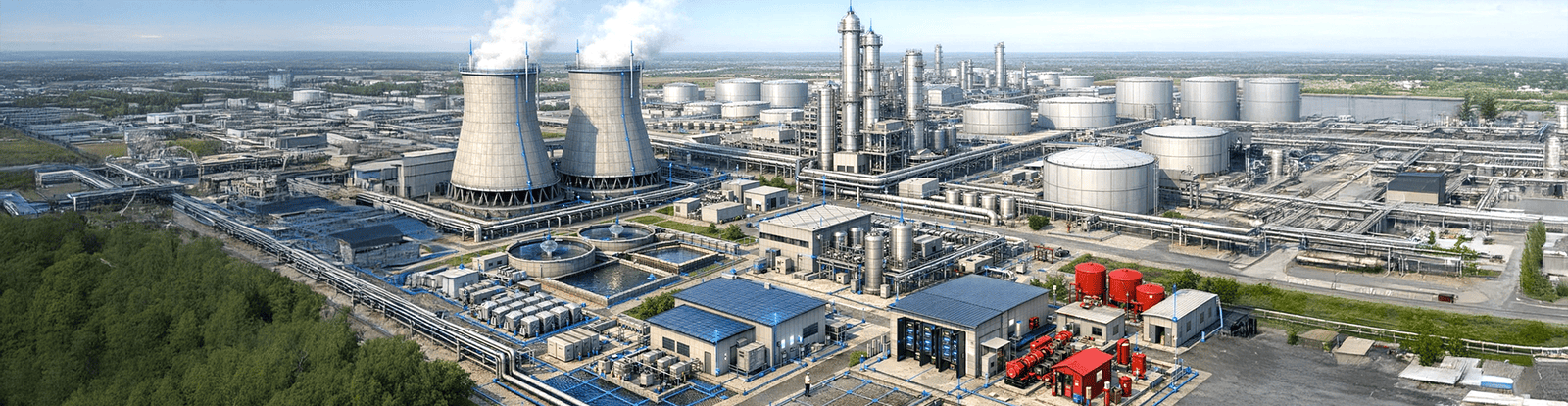
Utilities, Offsites & Ancillary Facilities
- Cooling towers
- Water and effluent treatment plants
- Air separation and utility units
- Lightning rods and air terminals
- Surge protection for motor control panels
- Earthing of all metallic and structural elements
- Lightning exposure to tall, open, and metallic utility structures
- Surge propagation through long feeder cables and motor circuits
- Failure of utility motors, pumps, and control panels due to transient overvoltages
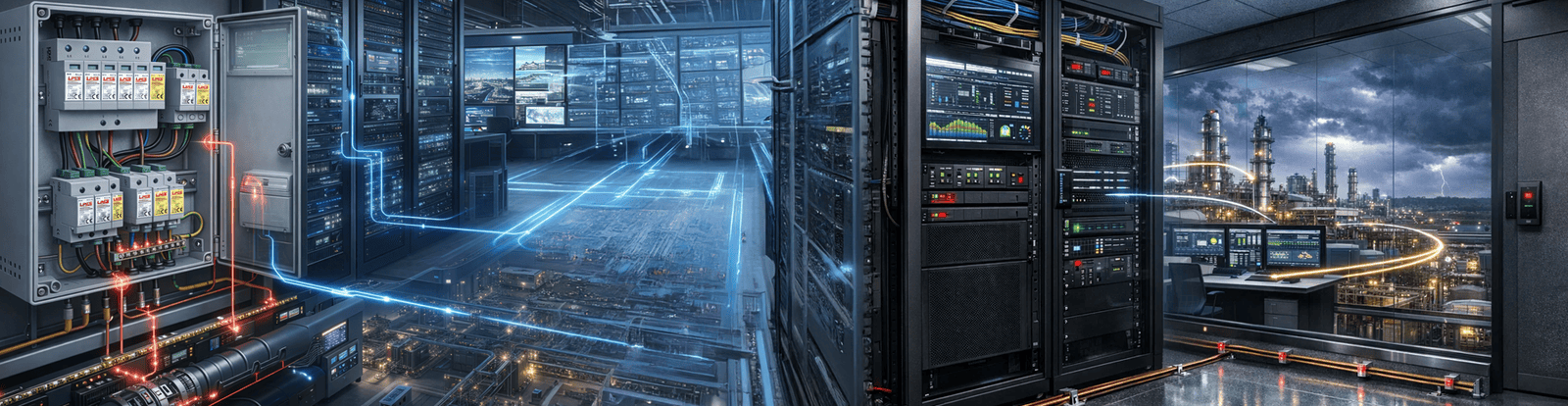
IT Systems, Data Centers & Communication Networks
Petrochemical operations depend on uninterrupted data flow, secure communication, and real time monitoring.
- Data centers and server rooms
- Communication networks
- Control system databases
- Communication and data line SPDs
- Dedicated IT earthing systems
- Equipotential bonding for network equipment
- Lightning induced surges entering through power, data, and communication lines
- Electromagnetic interference affecting data integrity and network stability
- Ground potential differences causing equipment damage and data corruption
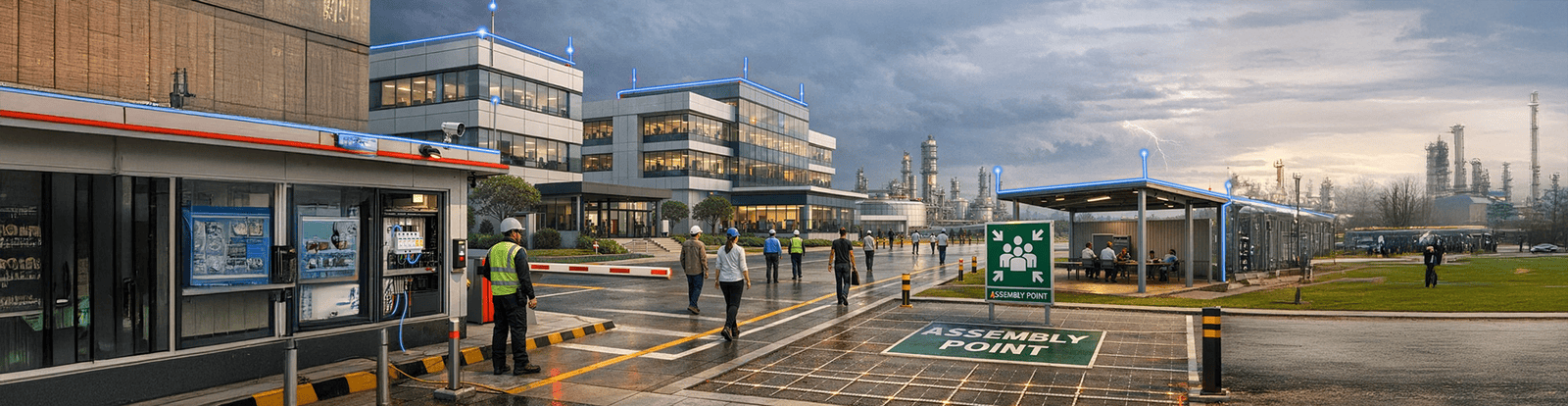
Administrative Buildings & Human Life Protection
- Offices and control buildings
- Security cabins
- Emergency shelters and assembly points
- Personnel and visitor safety
- Business continuity
- Compliance with statutory insurance, and HSE requirements
- Structural lightning protection systems
- Power and data surge protection
- Step and touch voltage control
Standards & Compliance
All LPES lightning and surge protection systems aredesigned and implemented in compliance with:
- IEC 62305 Lightning Protection
- NFPA 780
- API RP 545 & API RP 2003
- IEEE grounding and surge standards
- ATEX / IECEx requirements

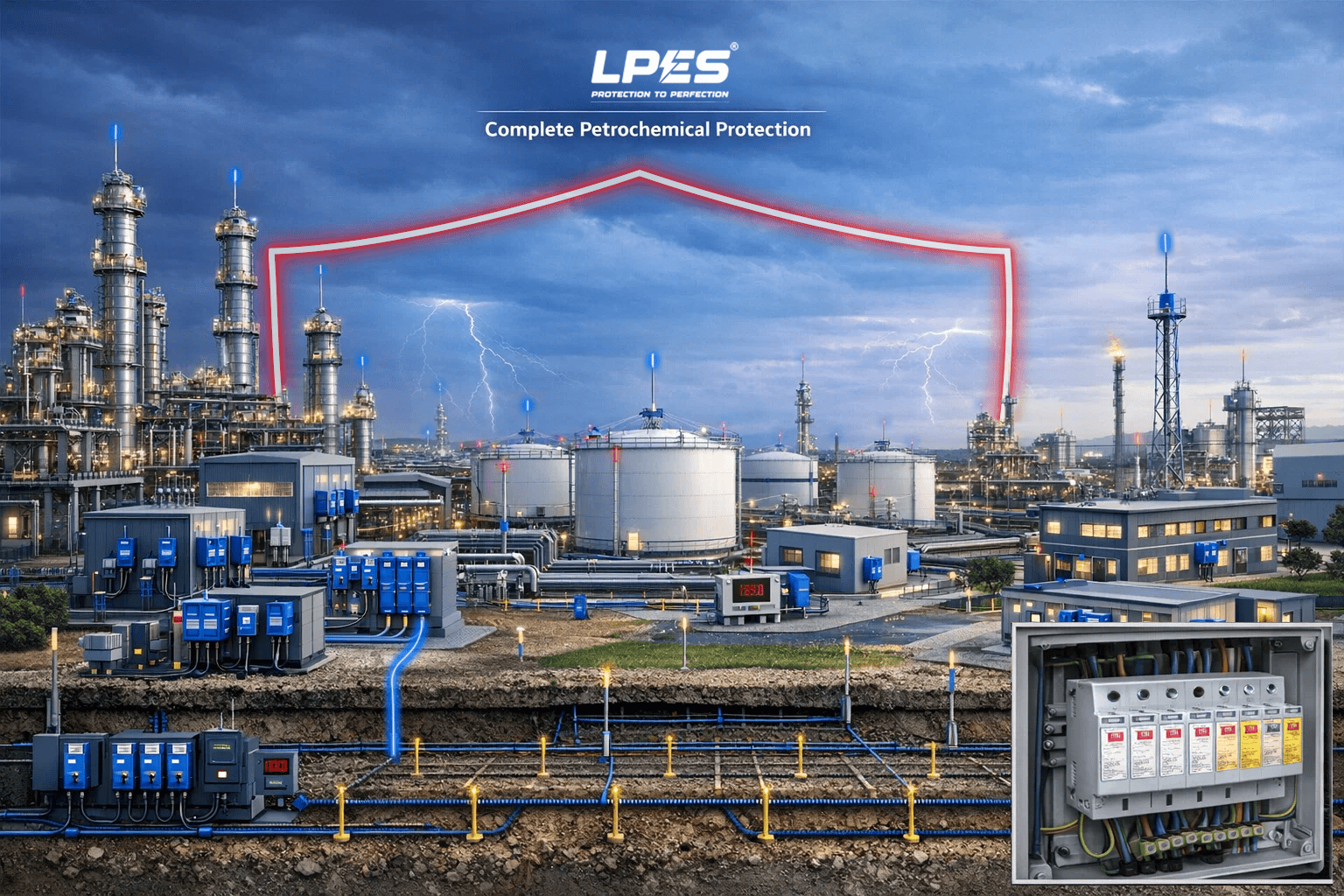
LPES A Single Brand for Complete Petrochemical Protection
Every solution deployed across petrochemical facilities is 100% LPES engineered, including:
- Lightning arresters and air termination systems
- Early Streamer Emission (ESE) solutions
- Surge Protection Devices (Type 1, Type 2, Type 3)
- Earthing electrodes and grounding systems
- Bonding accessories and lightning counters
LPES: Engineering Safety, Continuity & Compliance for Petrochemical Industries:
With LPES Lightning and Surge Protection Solutions, petrochemical organizations protect infrastructure,production, assets, digital intelligence, and human life, creating a resilient operational environment where safety, compliance, and performance coexist without compromise.