LPES International
LPES International
Protection to Perfection
Currency
0
0

Blog

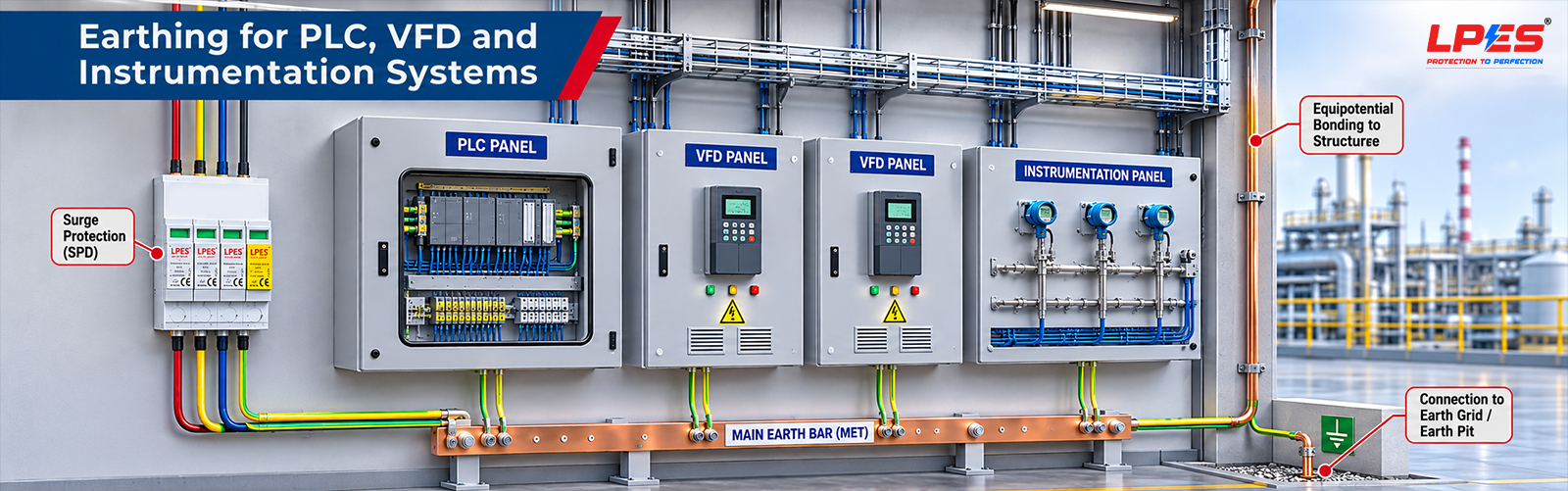
Earthing for PLC, VFD and Instrumentation Systems  

Introduction  

The precautionary measures related to earthing incorporated in the PLC, VFD, and instrumentation system must be taken cautiously because of the sensitivity involved in control, signaling, and communication circuitry methods. Essentially poor or improper earthing in industrial...

04.11.26 05:19 PM - Comment(s)
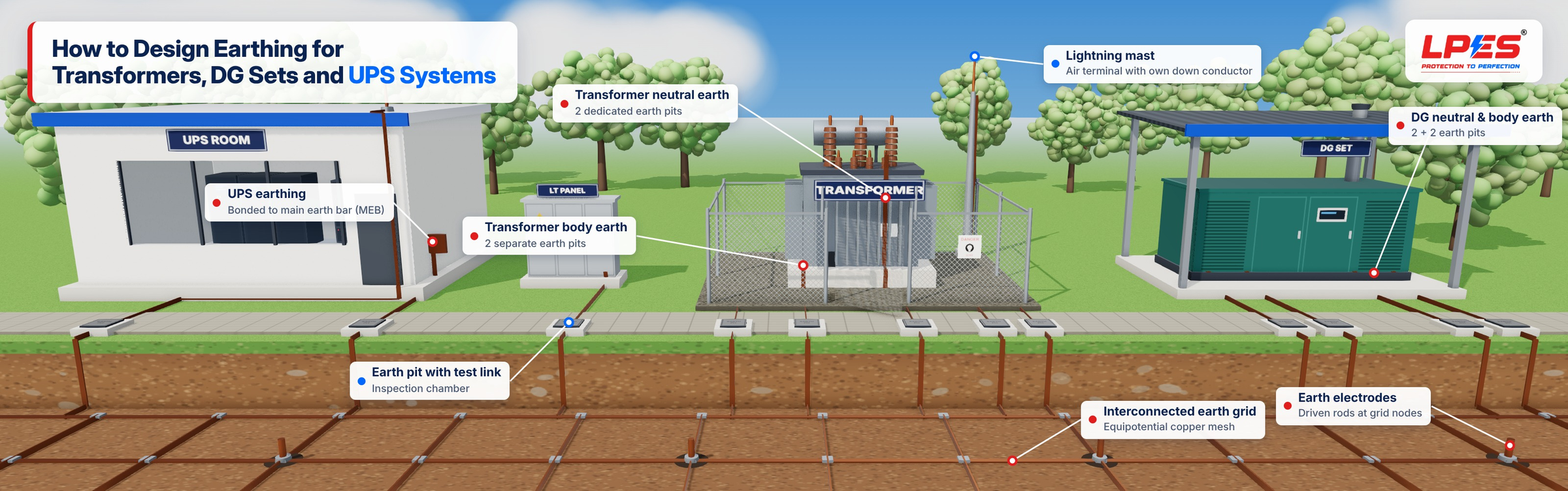
How to Design Earthing for Transformers, DG Sets and UPS Systems  
Learn how to design earthing for transformers, DG sets and UPS systems. Understand grounding, equipotential bonding, surge protection, conductor sizing and testing practices that improve electrical safety, reduce equipment damage and support operational continuity.
04.11.26 05:14 PM - Comment(s)
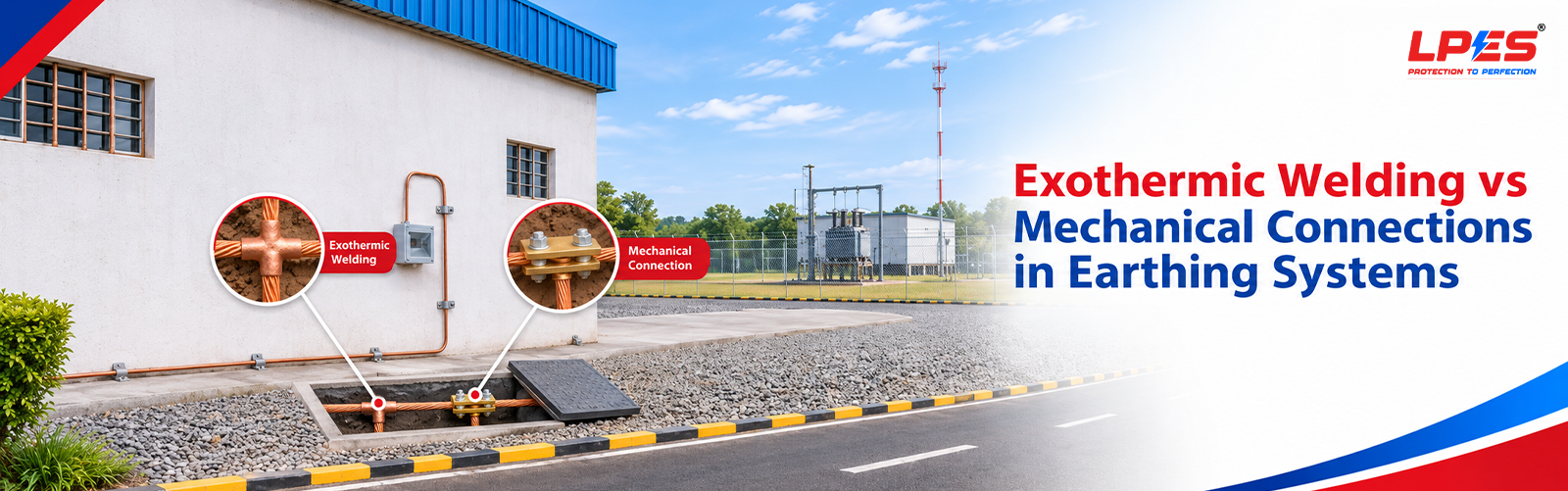
Exothermic Welding vs Mechanical Connections in Earthing Systems  
Exothermic welding and mechanical connections serve different needs in earthing systems. Learn how accessibility, corrosion, conductor type, maintenance, installation conditions, and long term reliability help determine the right connection method for safe and effective grounding.
03.11.26 03:34 PM - Comment(s)
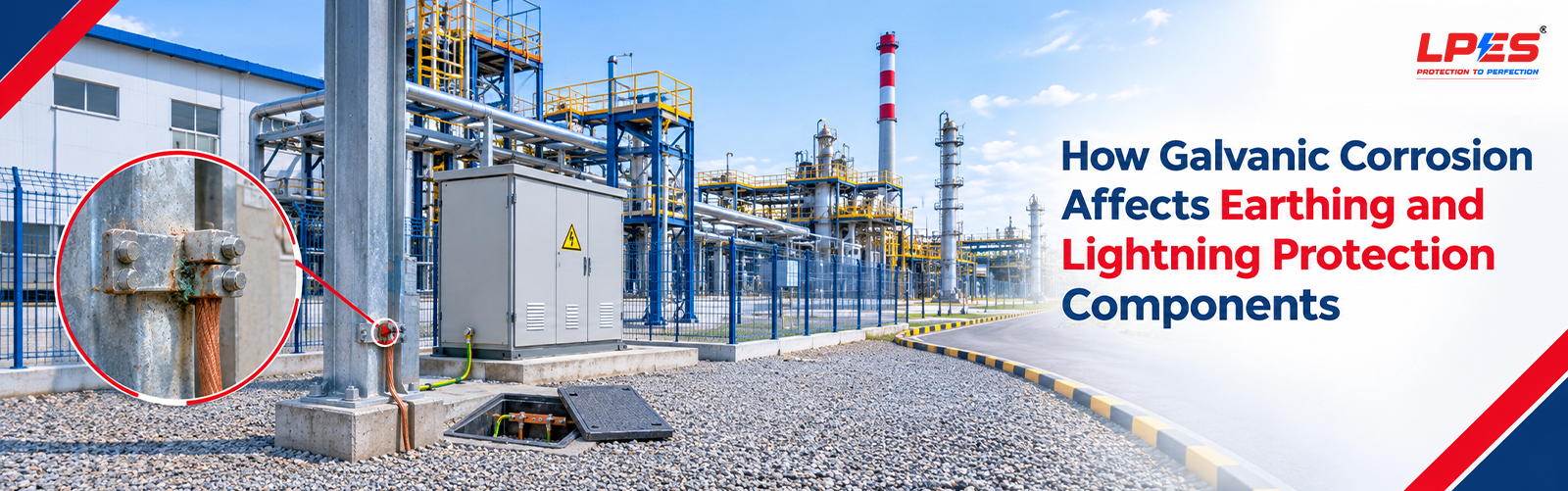
How Galvanic Corrosion Affects Earthing and Lightning Protection Components  
Galvanic corrosion can weaken earthing and lightning protection components when dissimilar metals interact in moist or conductive environments. Proper material selection, compatible connectors, bonding, inspection, and maintenance help protect electrical safety and long term system reliability.
03.11.26 03:32 PM - Comment(s)
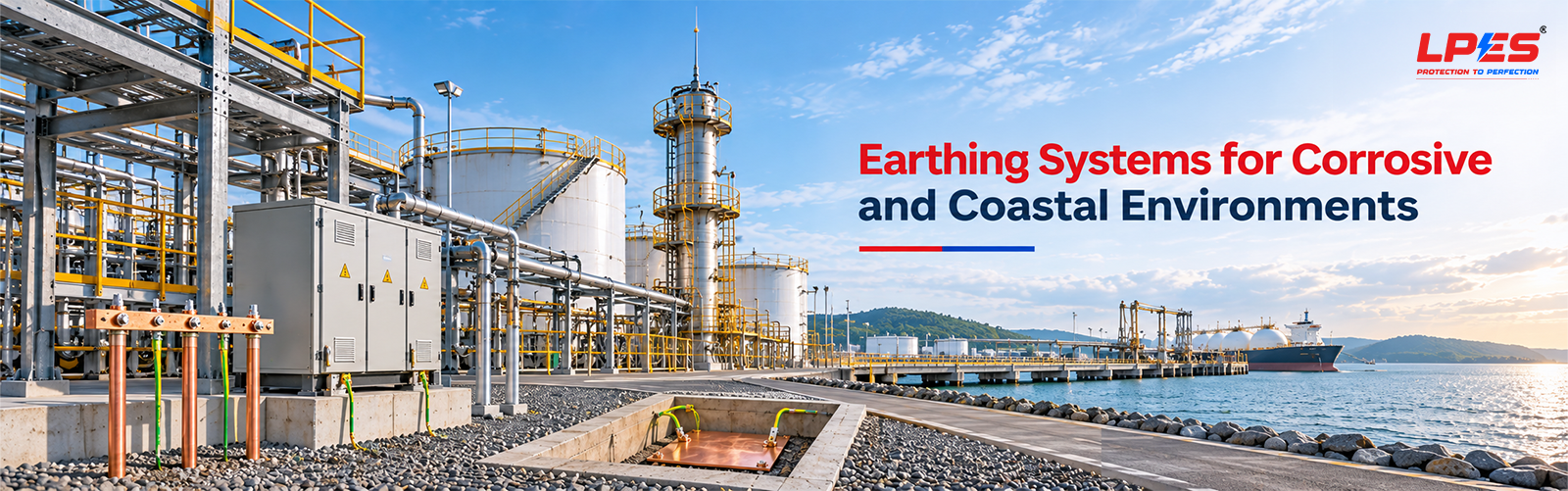
Earthing Systems for Corrosive and Coastal Environments  
Earthing systems in coastal and corrosive environments require careful material selection, corrosion resistance, bonding, and maintenance. Properly designed grounding helps protect equipment, improve electrical safety, reduce failures, and support long term operational reliability.
02.11.26 04:53 PM - Comment(s)
Deep Driven Earth Rods vs Plate Earthing
Earthing system design for high resistivity soil requires soil testing, suitable electrode depth, proper spacing, bonding, and verification. A well engineered grounding system improves electrical safety, supports surge protection, reduces equipment risk, and maintains reliable operation.
02.11.26 01:55 PM - Comment(s)
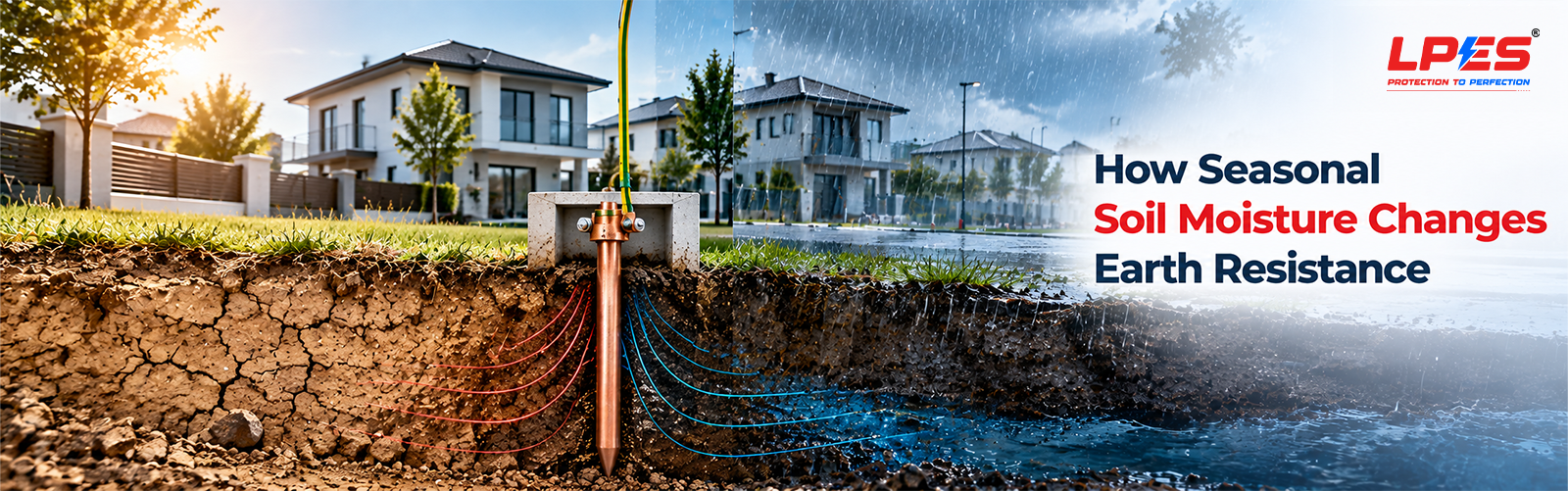
How Seasonal Soil Moisture Changes Earth Resistance  
Seasonal soil moisture directly affects earth resistance. Dry soil can increase resistance, while wet conditions may reduce it. Proper earthing design, seasonal testing, bonding, and grounding help maintain electrical safety, equipment protection, and reliable operation.
31.10.26 01:59 PM - Comment(s)
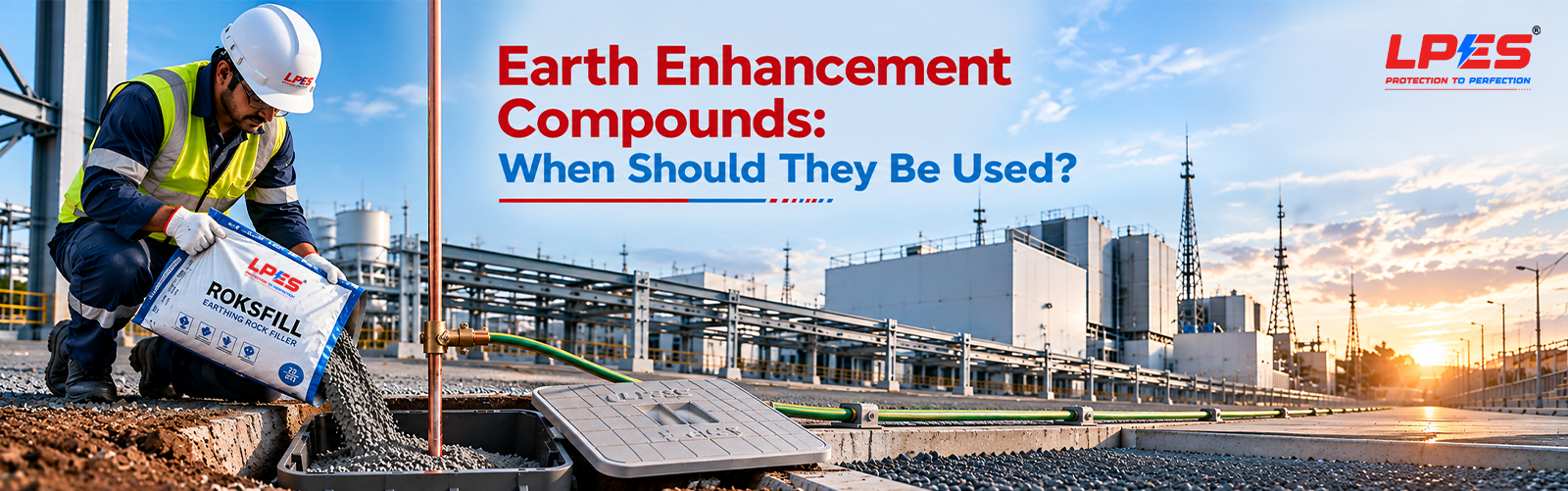
Earth Enhancement Compounds: When Should They Be Used?  
Earth enhancement compounds improve grounding performance in high resistivity, dry, rocky, or sandy soil. Learn when they should be used, common mistakes to avoid, and how proper earthing, bonding, surge protection, and lightning protection support electrical safety.
29.10.26 11:34 AM - Comment(s)
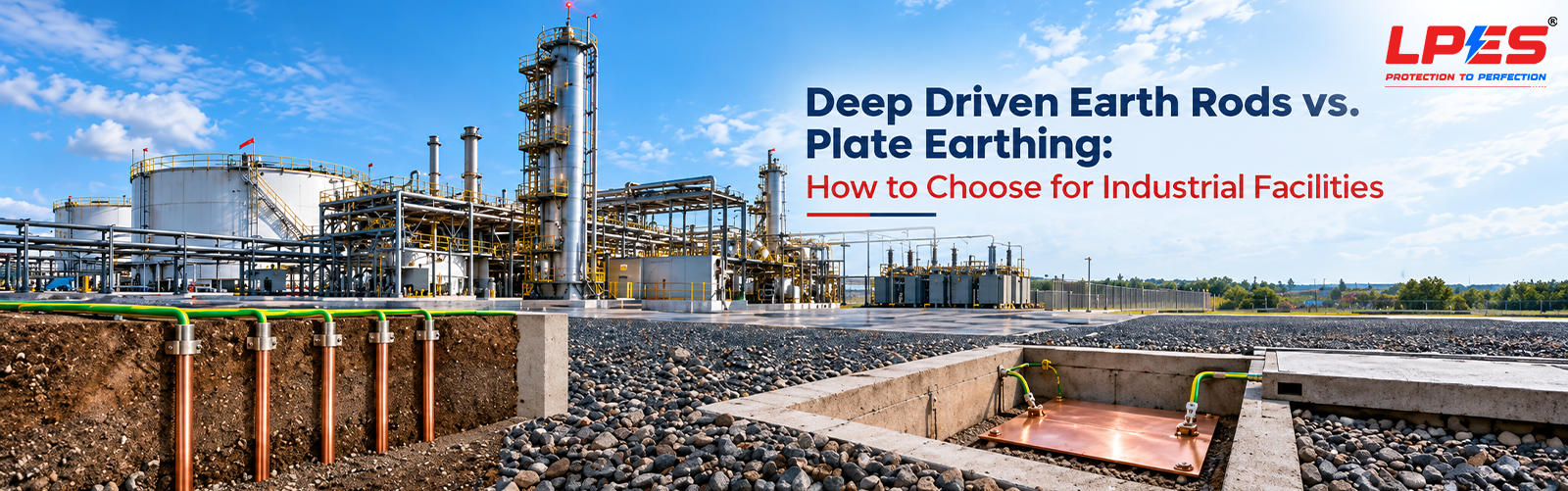
Deep Driven Earth Rods vs Plate Earthing  
Compare deep driven earth rods and plate earthing for industrial facilities. Learn how soil resistivity, installation depth, space, corrosion, maintenance, safety, and long term performance influence the choice of a reliable earthing and grounding system.
29.10.26 11:19 AM - Comment(s)
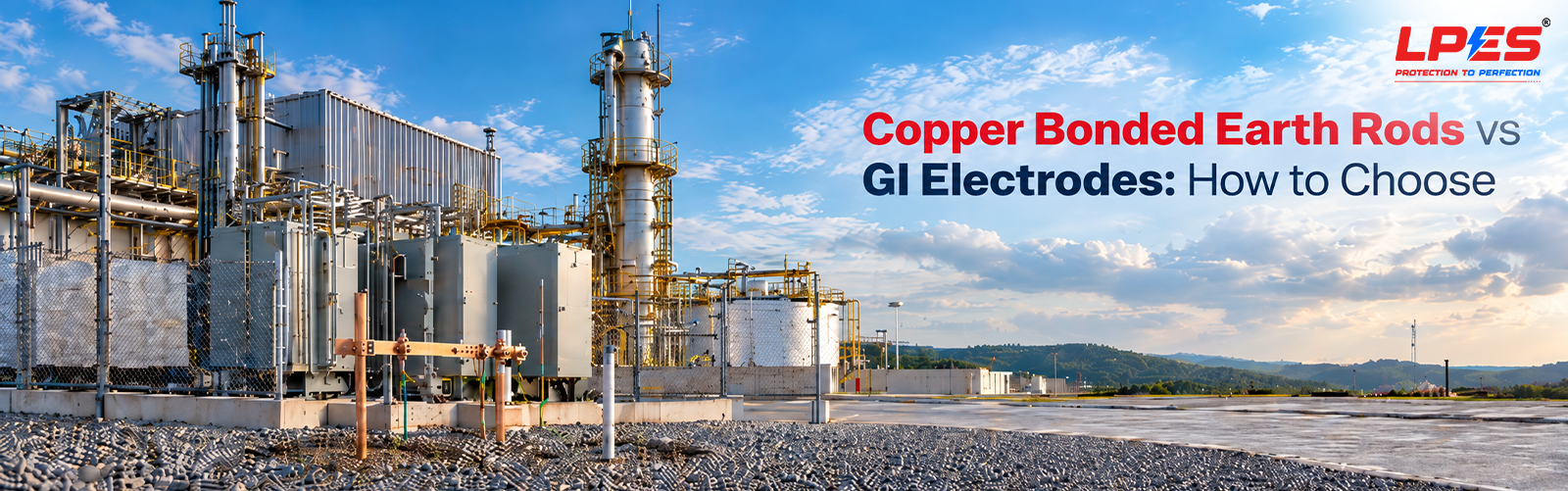
Copper Bonded Earth Rods vs GI Electrodes: How to Choose
Copper bonded earth rods and GI electrodes offer different benefits for industrial earthing systems. Learn how soil conditions, corrosion resistance, service life, installation needs, safety, and maintenance help determine the right earthing solution for reliable performance.
26.10.26 05:31 PM - Comment(s)
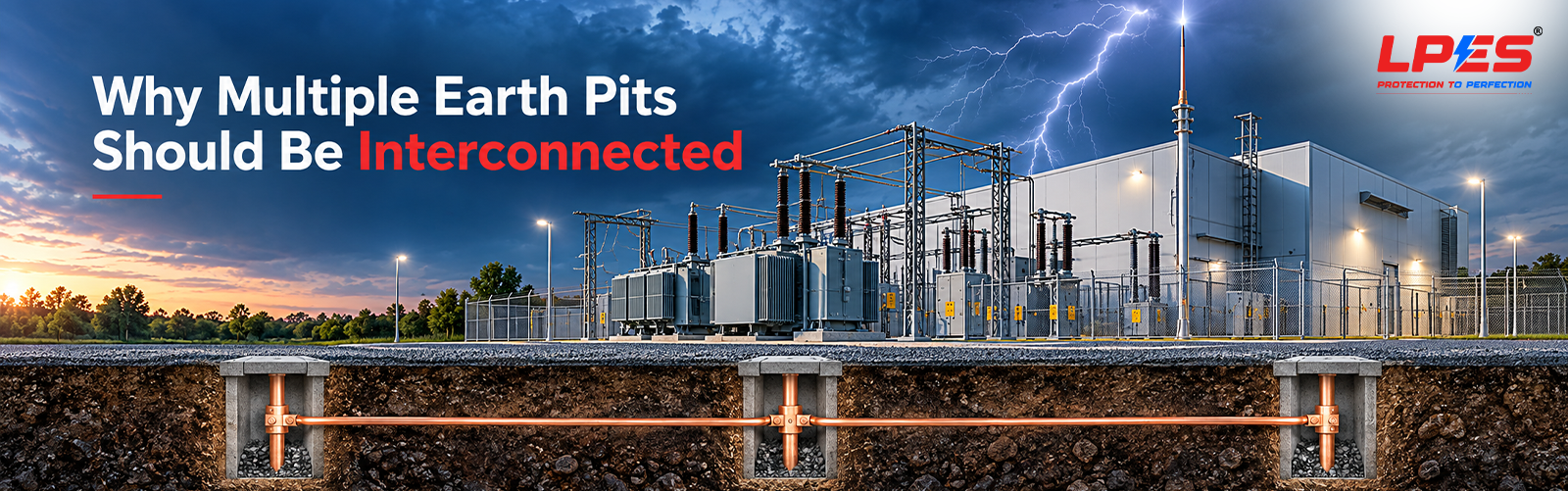
Why Multiple Earth Pits Should Be Interconnected  
Learn why multiple earth pits should be interconnected to create a common earthing network. Proper bonding helps reduce potential differences, improve fault and lightning current distribution, protect sensitive equipment, enhance electrical safety, minimize downtime, and support reliable operations.
24.10.26 02:28 PM - Comment(s)
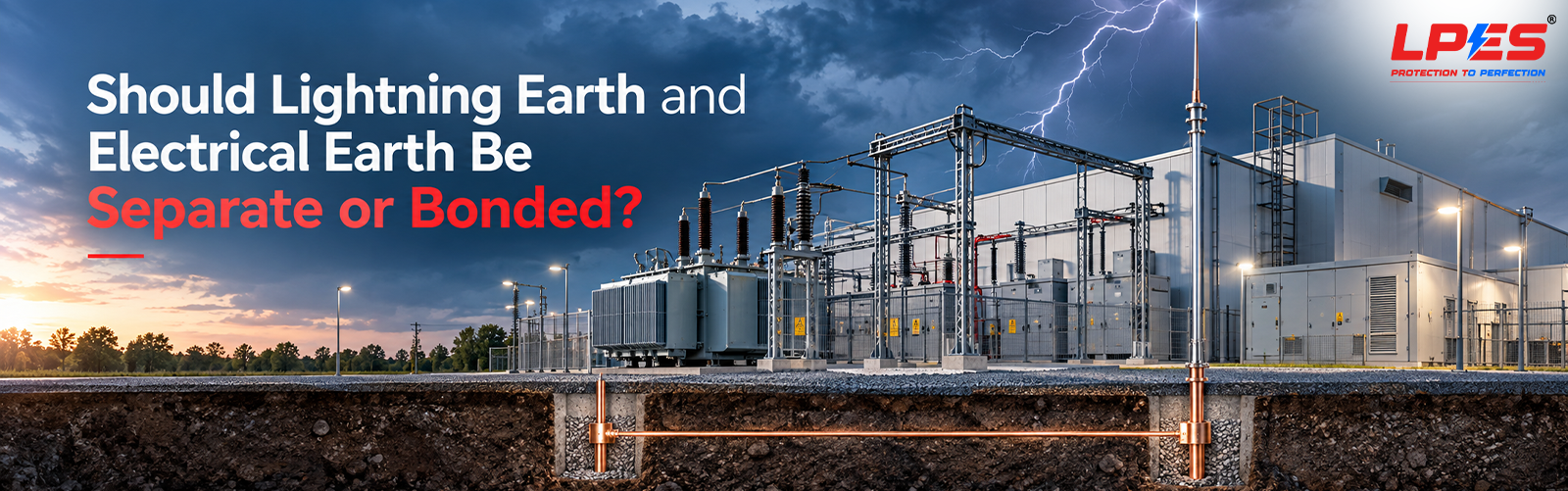
Should Lightning Earth and Electrical Earth Be Separate or Bonded?  
Learn whether lightning earth and electrical earth should be separate or bonded. Understand how equipotential bonding, earthing systems, surge protection, and proper engineering design help reduce voltage differences, equipment damage, safety risks, downtime, and operational disruption.
24.10.26 02:00 PM - Comment(s)
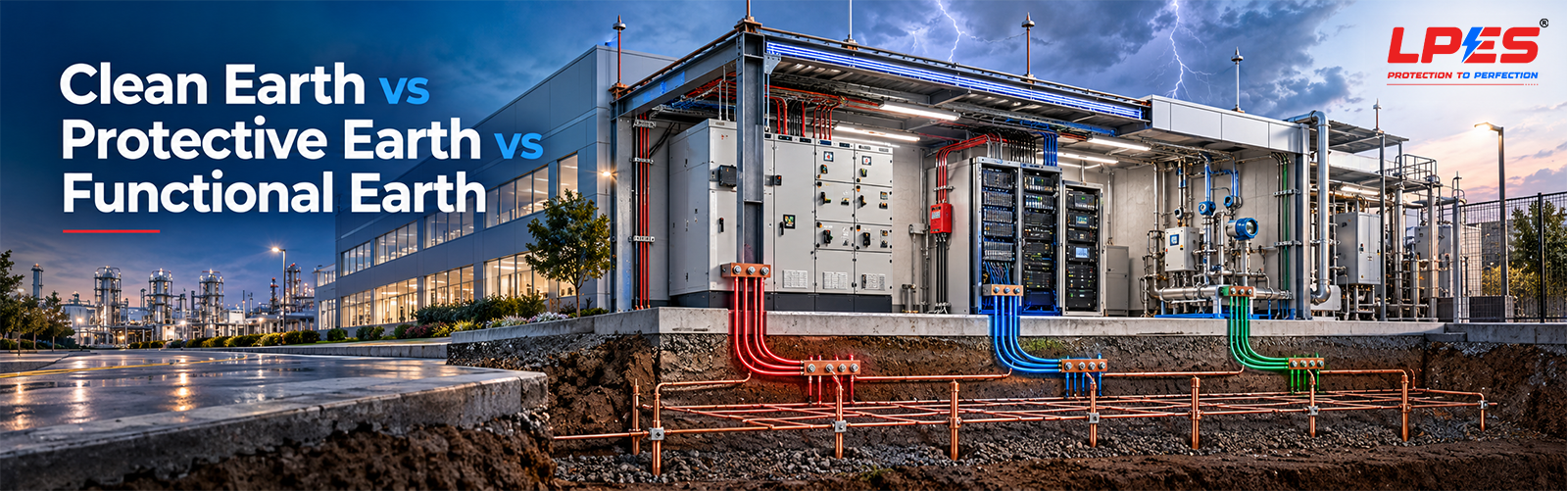
Clean Earth vs Protective Earth vs Functional Earth  
Clean Earth, Protective Earth and Functional Earth serve different purposes in electrical systems. Proper design, bonding and surge protection improve electrical safety, protect sensitive equipment, reduce downtime and support operational reliability.
23.10.26 12:21 PM - Comment(s)
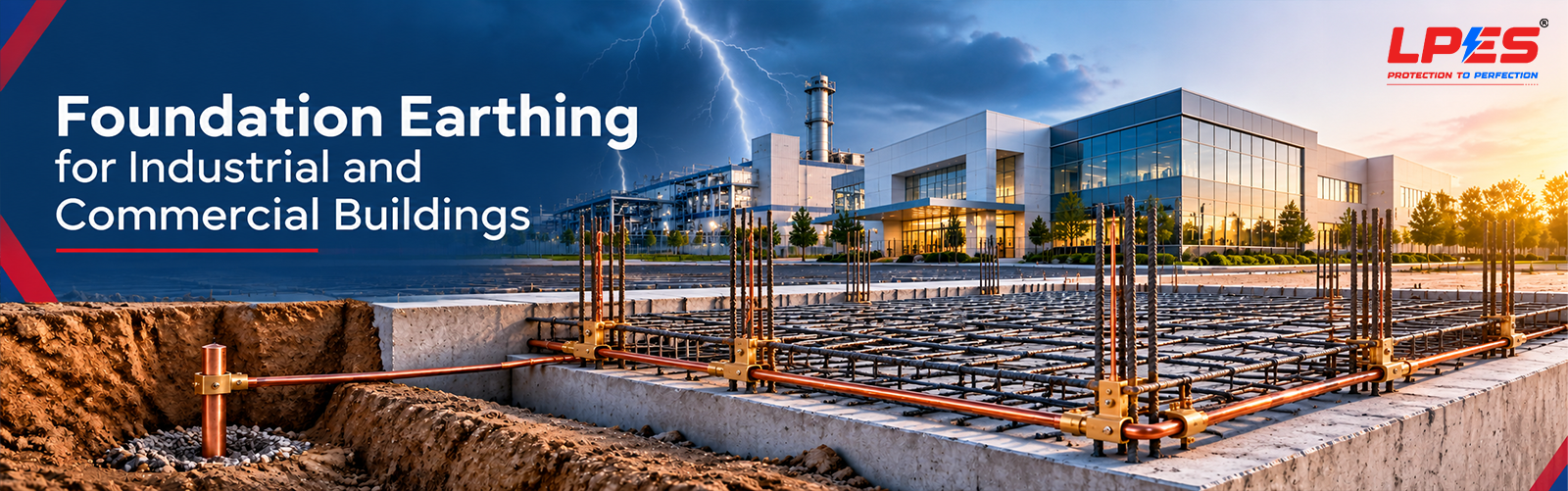
Foundation Earthing for Industrial and Commercial Buildings  
Foundation earthing provides a reliable grounding base for industrial and commercial buildings. It supports lightning protection, surge protection, equipotential bonding, electrical safety, and operational reliability by creating an integrated earthing network within the building foundation.
23.10.26 12:18 PM - Comment(s)
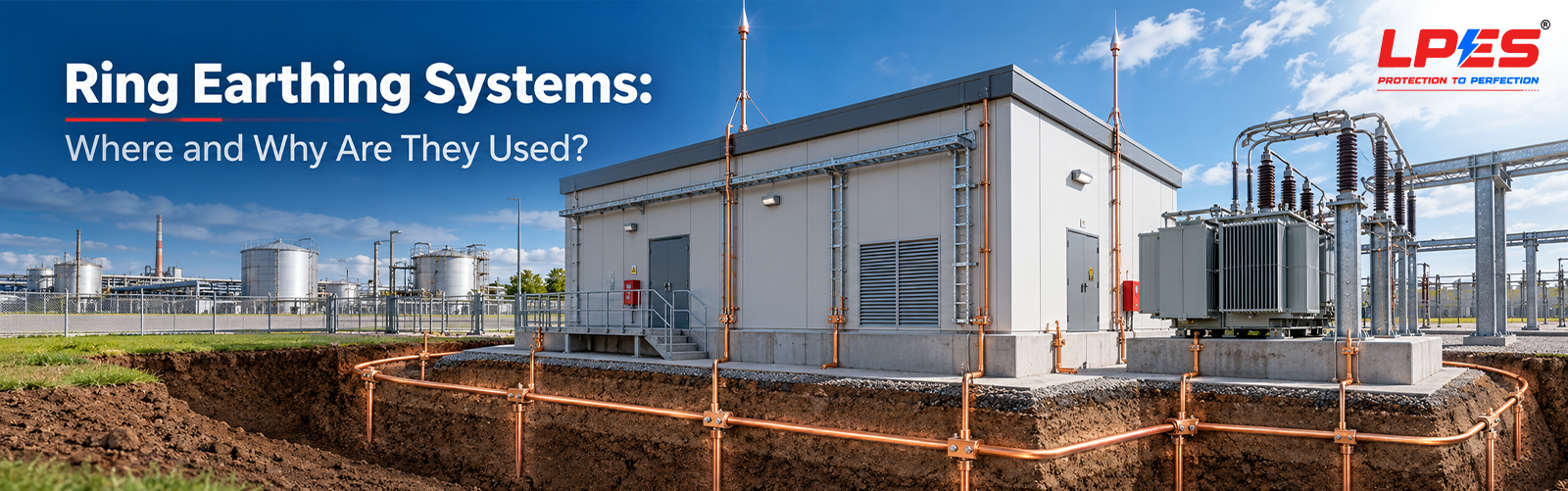
Ring Earthing Systems: Where and Why Are They Used?  
Ring earthing systems provide a continuous grounding path around buildings and industrial facilities. They help dissipate lightning and fault currents, reduce dangerous potential differences, protect equipment, improve electrical safety, and support reliable operational continuity
22.10.26 03:01 PM - Comment(s)
Items have been added to cart.
One or more items could not be added to cart due to certain restrictions.
Added to cart
Quantity updated
- An error occurred. Please try again later.
Deleted from cart
- An error occurred. Please try again later.