LPES International
LPES International
Protection to Perfection
Currency
0
0
Company Why LPES

The face of the moon was in shadow

Almost before we knew it, we had left the ground. All their equipment and instruments are alive.Mist enveloped the ship three hours out from port. The spectacle before us was indeed sublime.A red flair silhouetted the jagged edge of a wing.

Items have been added to cart.
One or more items could not be added to cart due to certain restrictions.
Added to cart
Quantity updated
- An error occurred. Please try again later.
Deleted from cart
- An error occurred. Please try again later.
Home  /  Company  /  Why LPES
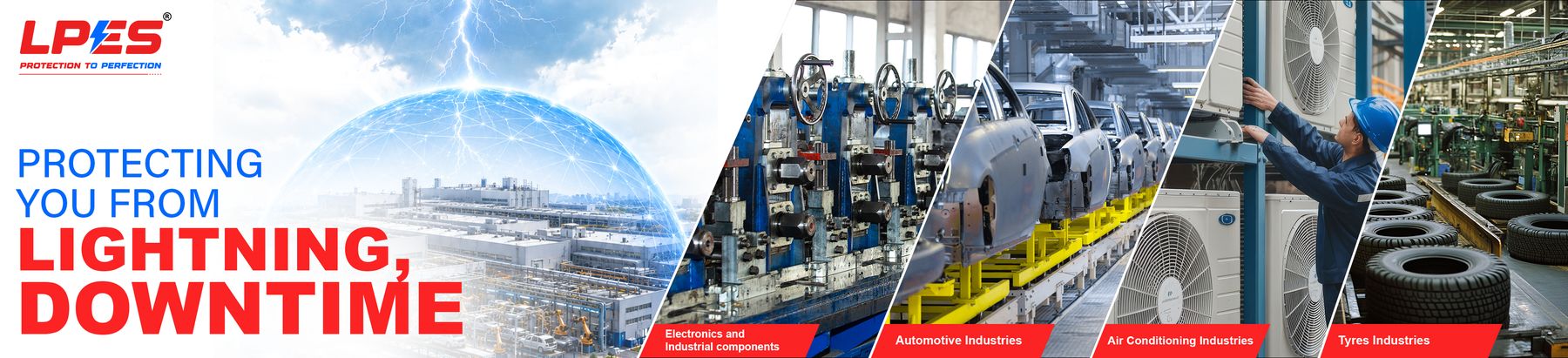
LPES International: lpes 1 protection banner
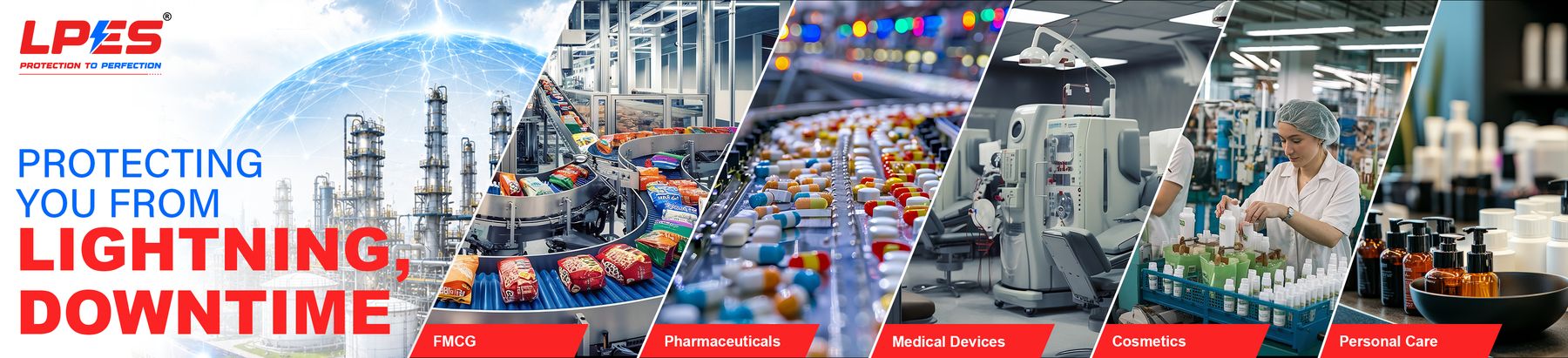
LPES International: lpes 2 protection banner
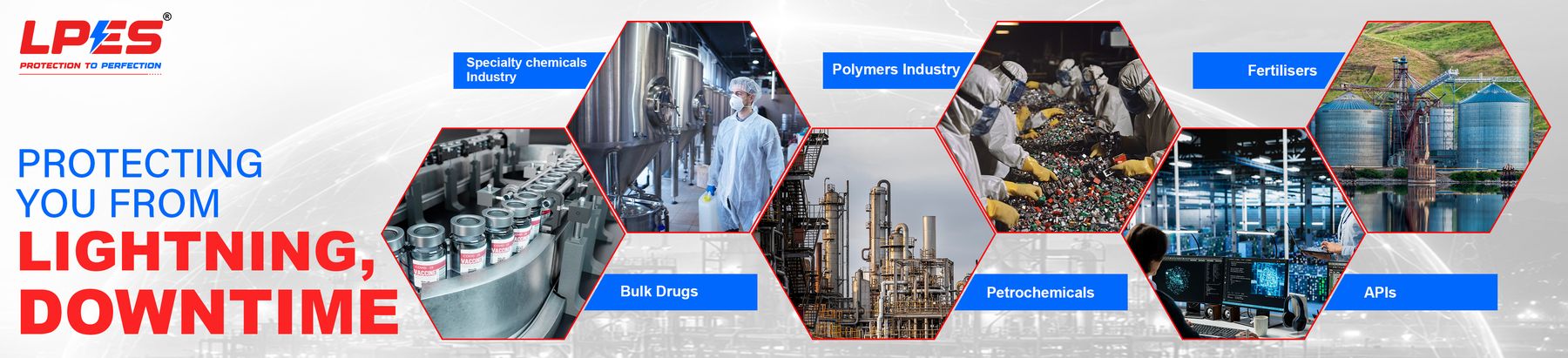
LPES International: lpes 3 protection banner
Why LPES

Your power is connected. Is your protection?

Lightning protection with one specialist. Power studies with another. Earthing and surge protection in separate packages. Electrical risks cross those boundaries. LPES connects the engineering and the responsibility between them, from Lightning to Load.

LPES engineers wearing the four pillar shields: Lightning, Power, Earthing and Surge protection

Four pillars. One team. One engineering responsibility.

0+
years in lightning, earthing and surge protection engineering
0+
projects delivered across industry, buildings and infrastructure
0+
LPES-branded protection products and components
4
protection pillars under one engineering responsibility
The problem we solve

Divided protection leaves gaps that nobody owns

A lightning strike, a fault or a surge does not stop at the edge of a contract. When four vendors each protect one part, the joints between them, down conductor to earth, earth to bonding bar, SPD to earth, belong to no one.

Switch the view to see the same facility as one LPES system.

MDBSPDMEBTransformerMCritical loadPackage 1 · LightningPackage 2 · PowerPackage 3 · EarthingPackage 4 · Surge???Who owns the interfaces between the packages?LPESOne design basis. One current path. Clear ownership.

Illustrative schematic. L air termination and down conductor · P power system coordination · E earth termination and equipotential bonding · S coordinated surge protection.

The four pillars

Four pillars. Connected protection. Clear accountability.

LPES is the name and the method: Lightning, Power, Earthing and Surge protection, designed together so the interfaces between them are engineered, not assumed.

LPES Lightning Protection pillar shield

Lightning Protection

Risk assessment, air termination, down conductors and earth termination. Protection geometry, separation distance and the interface with internal protection.

IEC 62305-1 to -4 · IS/IEC 62305 · IEC 62561

LPES Power Protection pillar shield

Power Protection

Load flow, fault levels, protective-device coordination, arc flash, harmonics and power quality, so protection operates as the system intends.

IEC 60909 · IEEE 1584 · IEC 61000

LPES Earthing Protection pillar shield

Earthing Protection

Earthing and equipotential bonding, protective earthing (PE) conductors, earth potential rise, transferred potentials, and step and touch safety.

IS 3043 · IEEE 80 · IS 732 · CEA Regulations

LPES Surge Protection pillar shield

Surge Protection

Coordinated SPDs across power, data, signal, control and RF lines, with ratings, backup protection and connection lengths matched to the installation.

IEC 61643-11 · IEC 61643-21 · IEC 62305-4

Our way of working

Lightning to Load: seven stages, one owner

Select a stage to see what LPES does and the evidence you receive at the end of it.

STAGE 01 OF 07

Assess

Understand the facility, operating conditions, relevant risks and applicable requirements.

Evidence you receive

  • Site survey and input register
  • Lightning risk assessment to IEC 62305-2
  • Gap list against applicable standards
STAGE 02 OF 07

Design

Translate assessments and studies into one coordinated engineering solution across all four pillars.

Evidence you receive

  • LPS, earthing and bonding layouts
  • Earthing and step and touch calculations
  • SPD coordination scheme
STAGE 03 OF 07

Specify

Define equipment duties, ratings, materials, interfaces and acceptance criteria.

Evidence you receive

  • Bill of quantities with item codes
  • Technical specification and datasheets
  • Acceptance criteria per interface
STAGE 04 OF 07

Supply

Manufacture and provide LPES components and application-matched equipment, with conformity evidence and traceability for every item installed.

Evidence you receive

  • LPES-branded products by family and series
  • Conformity and test records
  • Batch traceability
STAGE 05 OF 07

Implement

Coordinate installation methods, supervision, inspections and deviations within the agreed scope.

Evidence you receive

  • Method statements
  • Hold-point inspections
  • Deviation and change records
STAGE 06 OF 07

Verify

Inspect, measure and test against design intent and the agreed acceptance criteria.

Evidence you receive

  • Continuity and earth resistance results
  • SPD status and connection checks
  • As-built drawings
STAGE 07 OF 07

Assure

Support periodic inspections, maintenance and reviews after relevant events or modifications.

Evidence you receive

  • Periodic inspection reports
  • Event and modification reviews
  • Updated Protection Passport

Calculated. Coordinated. Implemented. Verified.

The difference

What changes when one team owns the whole protection chain

Decision pointDivided packagesLPES, Lightning to Load
Design basisEach vendor works to its own assumptions and its own standard edition.One coordinated design basis across all four pillars, with assumptions recorded.
InterfacesLPS to earthing, earthing to bonding and SPD to earth are left between scopes.Every interface is drawn, sized and assigned to a named responsibility.
ProductsSelected by price or availability, package by package.LPES-manufactured components and application-matched equipment, selected by calculated duty.
VerificationA single earth resistance reading at handover.Inspection, continuity, earth and SPD checks against agreed acceptance criteria.
RecordsScattered drawings, test sheets and emails.One controlled dossier: the LPES Protection Passport.
After handoverProtection drifts as the plant changes.Periodic inspection, event reviews and change control keep the design intent alive.
Signature deliverable

The LPES Protection Passport

One controlled dossier that records what was designed, what was installed, what was verified and what still needs action. It supports maintenance, audits and every future modification of your facility.

  • Design basis, study inputs and calculations
  • Product conformity and traceability records
  • Installation inspections and quality records
  • Verification results and acceptance status
  • As-built drawings and asset information
  • Outstanding risks and corrective actions
  • Inspection, maintenance and lifecycle plan

The Passport is a controlled evidence dossier within the agreed scope. It is not a marketing certificate or a guarantee.

Protection PassportFacility · Scope · RevisionDesign basis and calculationsProduct conformity recordsInstallation inspectionsVerification resultsAs-built drawingsOpen actions, owner and dateLifecycle inspection planDesignInstallAuditMaintain
The LPES portfolio

Designed, assembled and tested under the LPES name

One brand across the whole protection chain, so every component on site traces back to one design basis and one datasheet library.

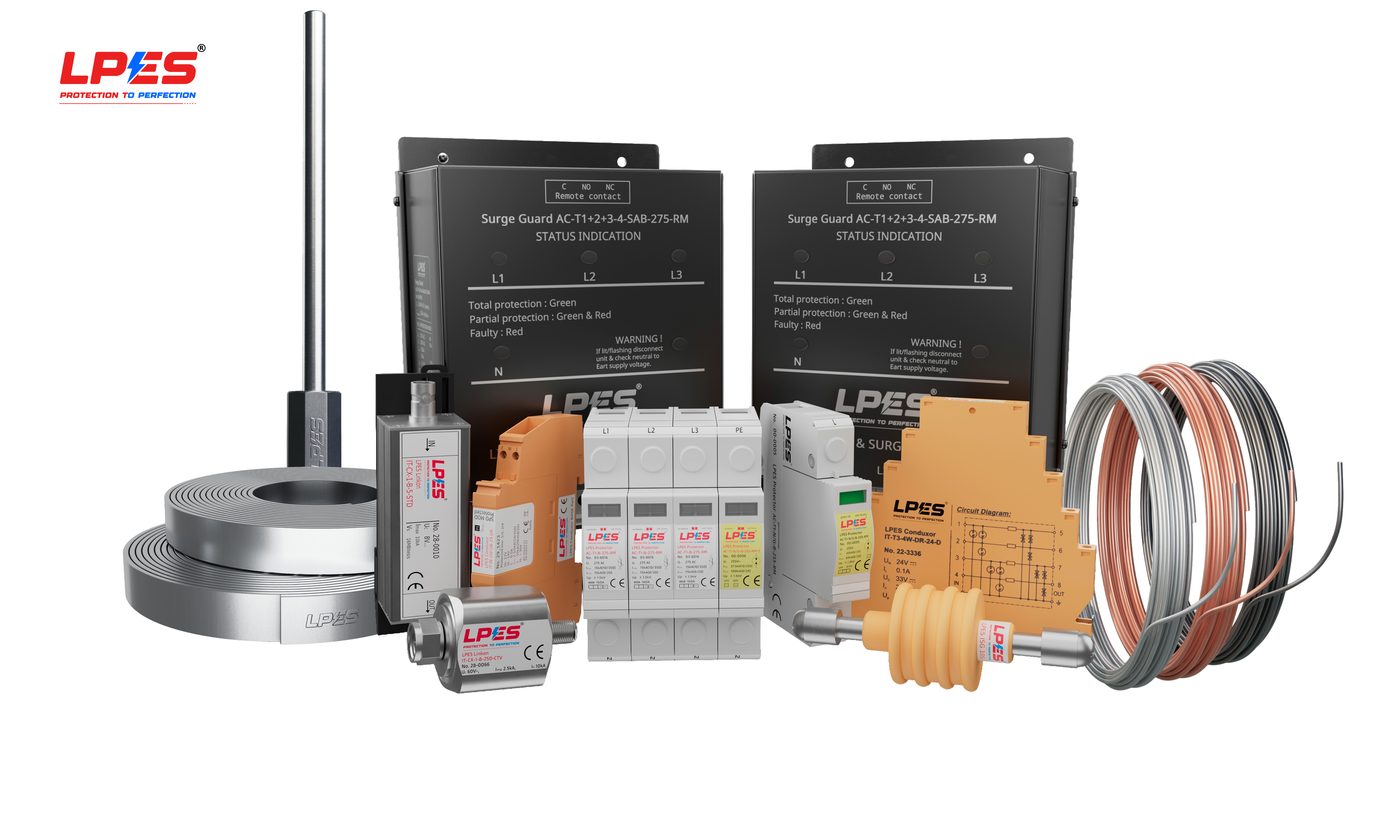
LPES surge protective devices, lightning protection components and conductorsLIGHTNING · SURGE

Surge protection and lightning components

Surge protective devices for power, data and signal lines, air terminals, tapes and round conductors.

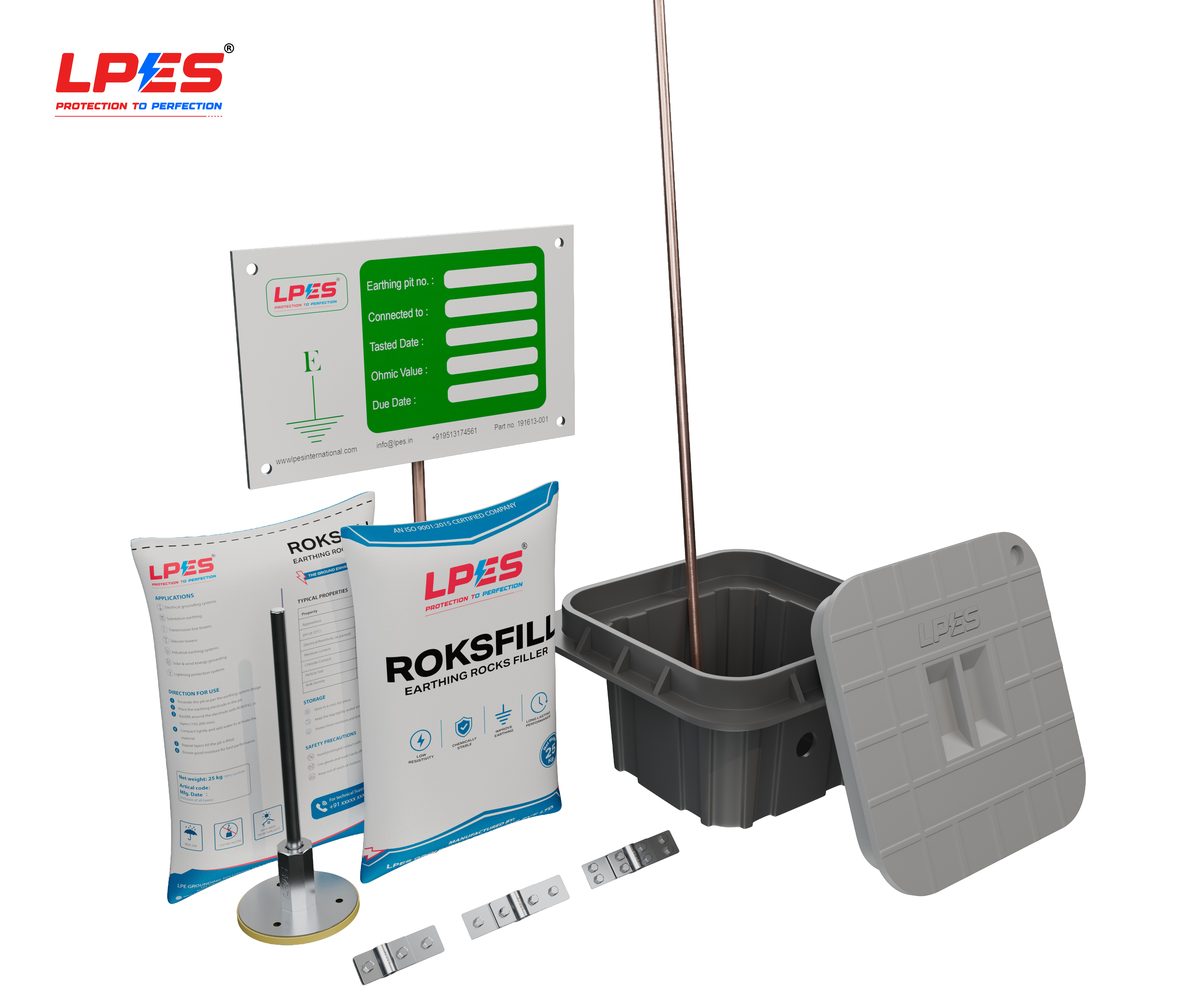
LPES earthing products: earth rod, earthing backfill compound, earth pit chamber and earthing record plateEARTHING

Earthing and grounding systems

Earth electrodes, earthing backfill compound, inspection chambers, clamps and earth pit record plates.

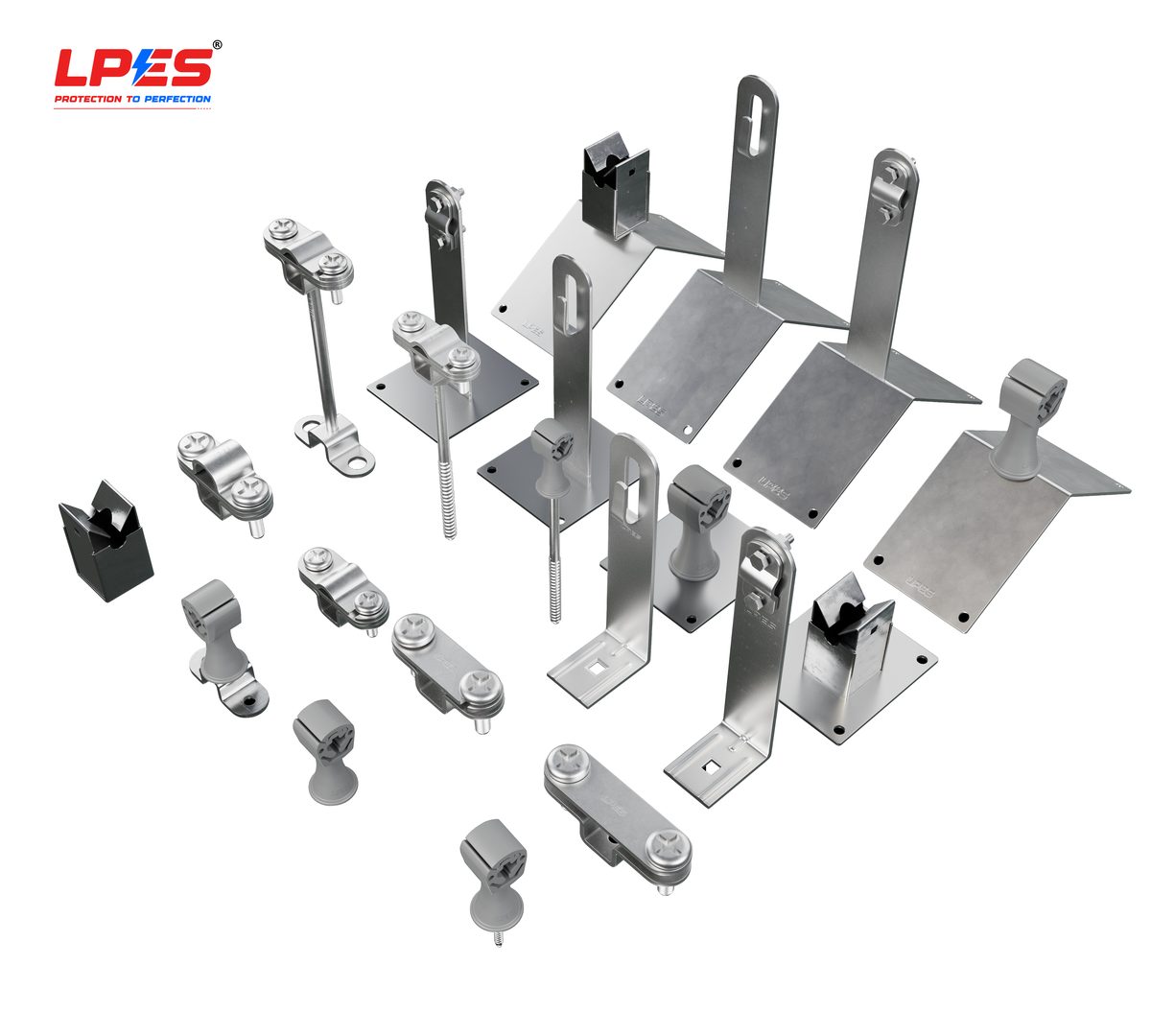
LPES conductor holders, clamps and fixings for lightning protection systemsLIGHTNING · EARTHING

Conductor holders, clamps and fixings

Roof, wall and ridge holders, test joints, clamps and connectors for strip and round conductors.

What you gain

Confidence grounded in answers

What needs protection, how the system works together, and who stands behind the work.

Clarity

Risks, recommended actions, responsibilities and acceptance requirements stated in plain engineering terms.

Safety and asset protection

People first. Fault and lightning currents given a designed path, with hazardous potentials managed.

Operational resilience

Less exposure to avoidable trips, equipment damage and unplanned downtime within the defined scope.

Investment discipline

Corrective work prioritised by risk, so budget goes where it removes the most exposure.

Traceability

The reasoning, records and evidence behind every protection decision, ready for audit.

Lifecycle support

Protection intent preserved as equipment, operating conditions and the facility change.

Trusted on site

Facilities that rely on LPES

Honda logoPernod Ricard logoReckitt logoGAIL logoAbbott logoGodrej logoAjanta Pharma logoBharat Petroleum logoHindustan Petroleum logoIndianOil logoGrasim logoOkaya logoHonda logoPernod Ricard logoReckitt logoGAIL logoAbbott logoGodrej logoAjanta Pharma logoBharat Petroleum logoHindustan Petroleum logoIndianOil logoGrasim logoOkaya logo

Logos belong to their respective owners and indicate organisations LPES has supplied or served. Read the project stories

Questions buyers ask

Why LPES, in short

What does LPES stand for?

LPES stands for the four protection pillars the company brings together: Lightning Protection, Power Protection, Earthing Protection and Surge Protection.

Is LPES a manufacturer or an engineering company?

Both. LPES designs and manufactures LPES-branded lightning, earthing and surge protection components and systems, and delivers the studies, design, implementation and verification that make them work together under one engineering responsibility.

What is Lightning to Load?

Lightning to Load is the LPES way of working. It considers the complete electrical protection chain, from external lightning exposure through the power system to the final connected equipment, in seven stages: Assess, Design, Specify, Supply, Implement, Verify and Assure.

What is the LPES Protection Passport?

A controlled dossier that brings the facility's protection evidence together: design basis, calculations, product conformity records, installation inspections, verification results, as-built drawings, open actions and the lifecycle plan.

Which facilities does LPES work with?

Industrial plants, process and oil and gas facilities, pharmaceuticals, food and beverage, data centres, commercial towers, residential societies, hotels, institutes and infrastructure, in India and internationally.

How do I start?

Request a Protection Review. Share your facility type, location and concern, and an LPES engineer will define the scope, the inputs needed and the deliverables.

Bring your electrical protection together

Understand your risks. Coordinate your protection. Know who owns each responsibility.

Talk to LPES about a coordinated assessment, from Lightning to Load. Tell us about your facility and an engineer will reply.